
Scientific merit of a research study greatly depends on its soundness in analyzing data to transform raw data into meaningful and reliable conclusions. Statistics help researchers to organize and summarize data facilitating objective decision making by using evidence-based conclusions. Therefore, statistical analysis is inseparable from a research study, and its quality would enhance the scientific rigor of the study opening avenues in publishing high impact journals increasing its readability and usage in local and international platforms.
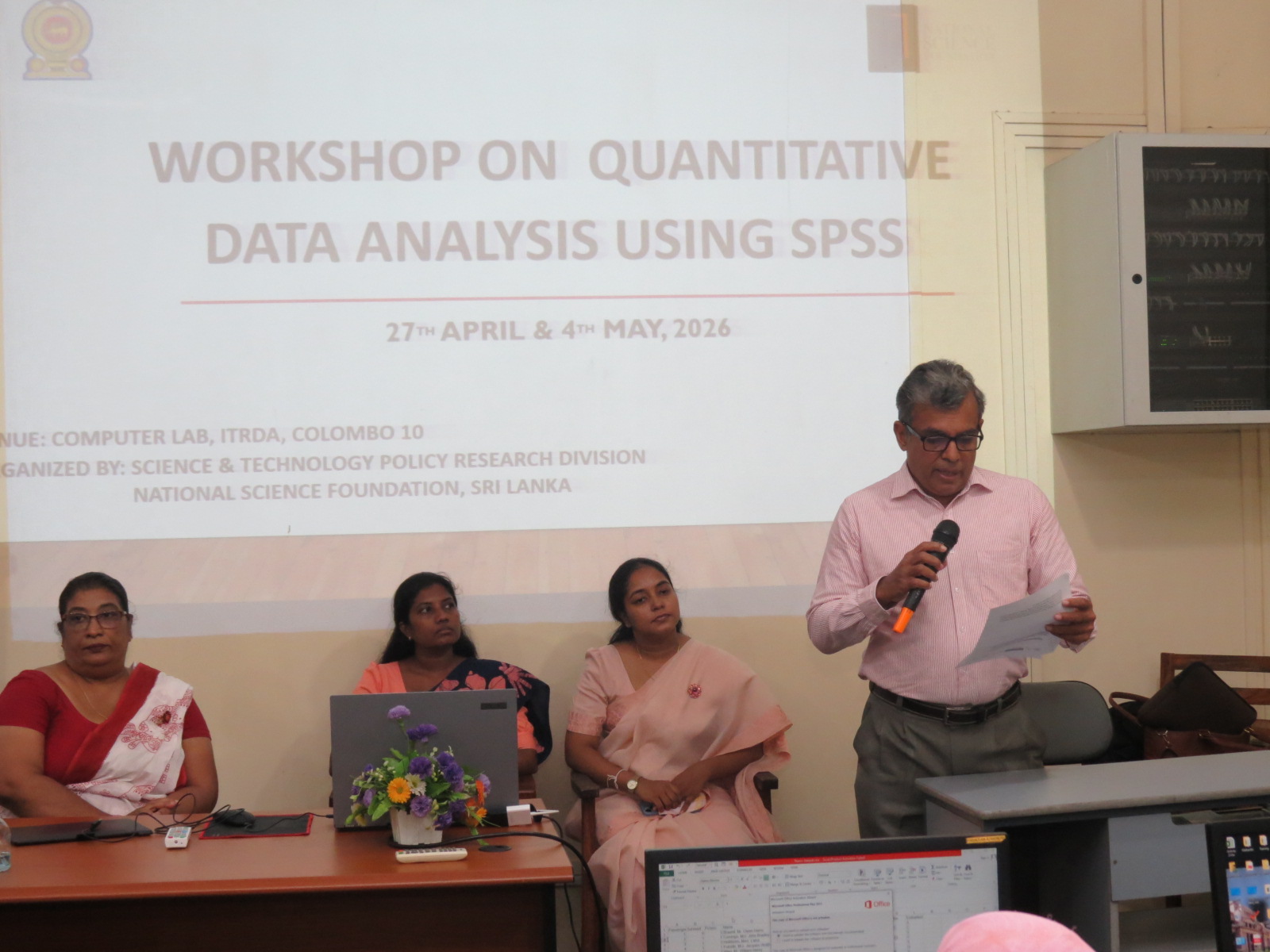
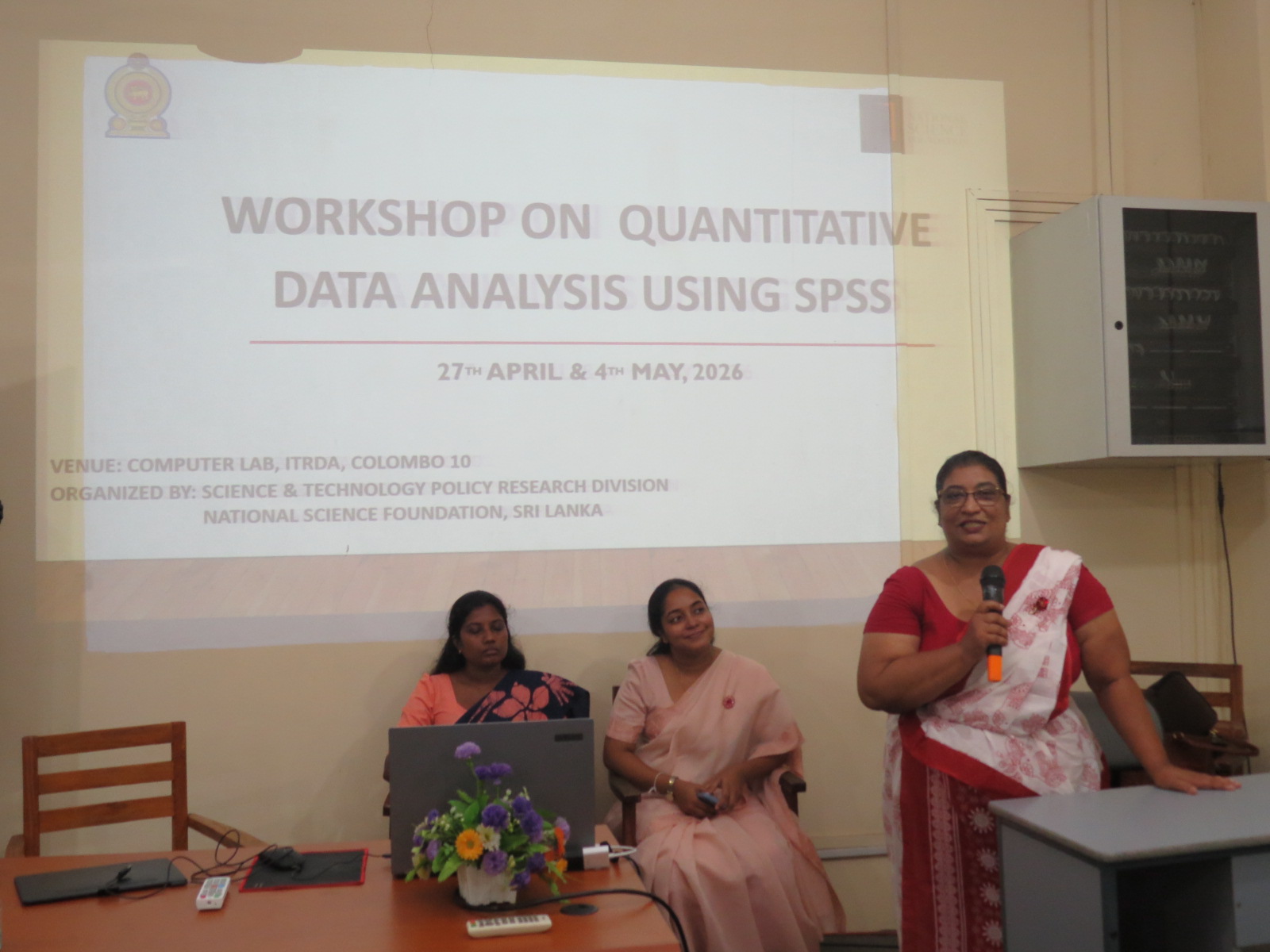
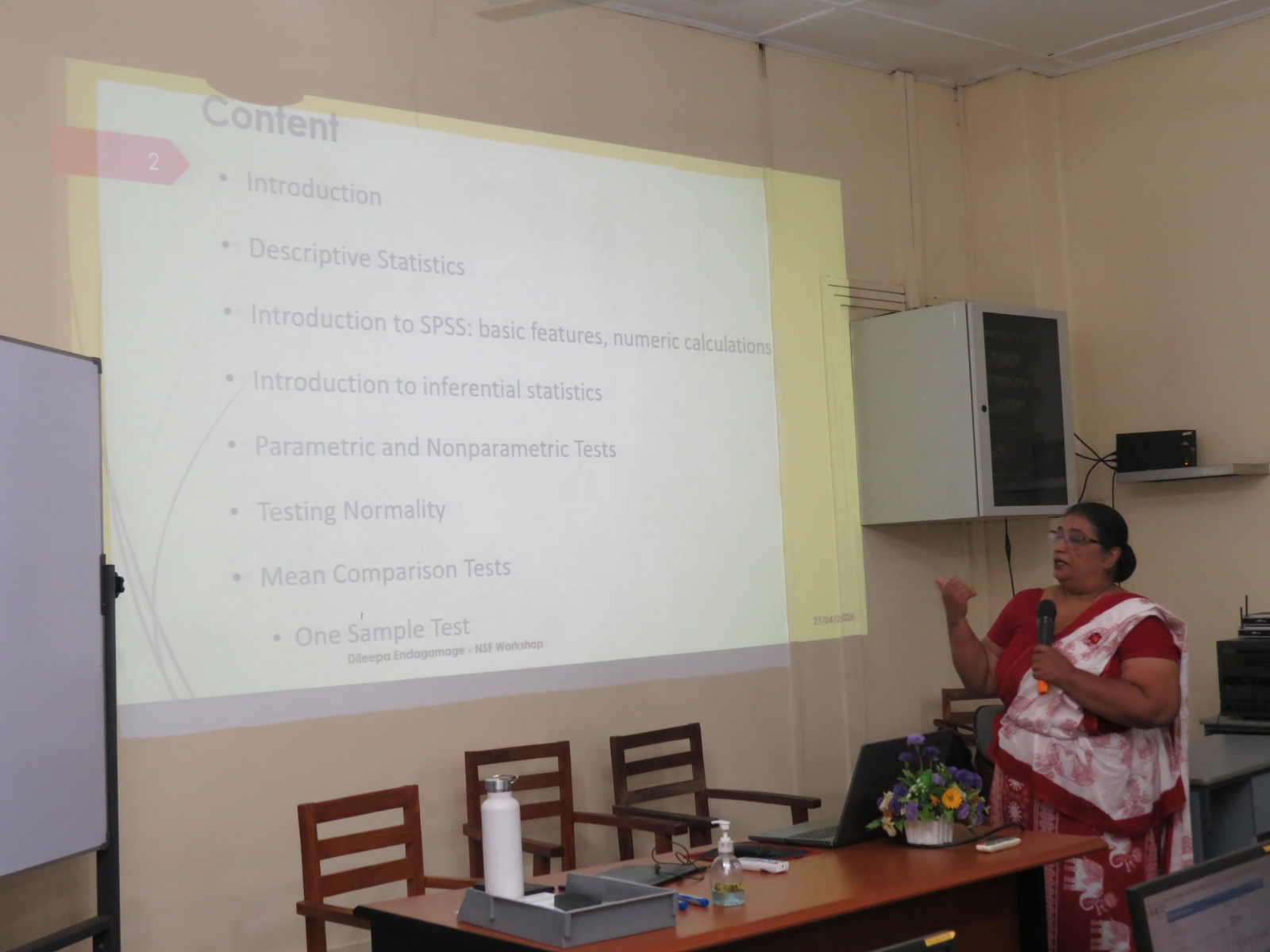
With this prelude, the Science and Technology Policy Research Division (STPRD) of the National Science Foundation (NSF) successfully conducted two-day Workshop on ‘Quantitative Data Analysis using SPSS’ for the researchers who have basic knowledge in data analysis in SPSS to enhance their knowledge and skills in this area for them to handle data accurately and support ultimately to make evidence-based decisions. This will also facilitate delivering the NSF mandate which is to initiate, facilitate and support scientific research, to train research personnel and to strengthen scientific research potential in the country. Accordingly, this was disseminated by an open call through the STMIS database and publicized the message through the NSF web as well.
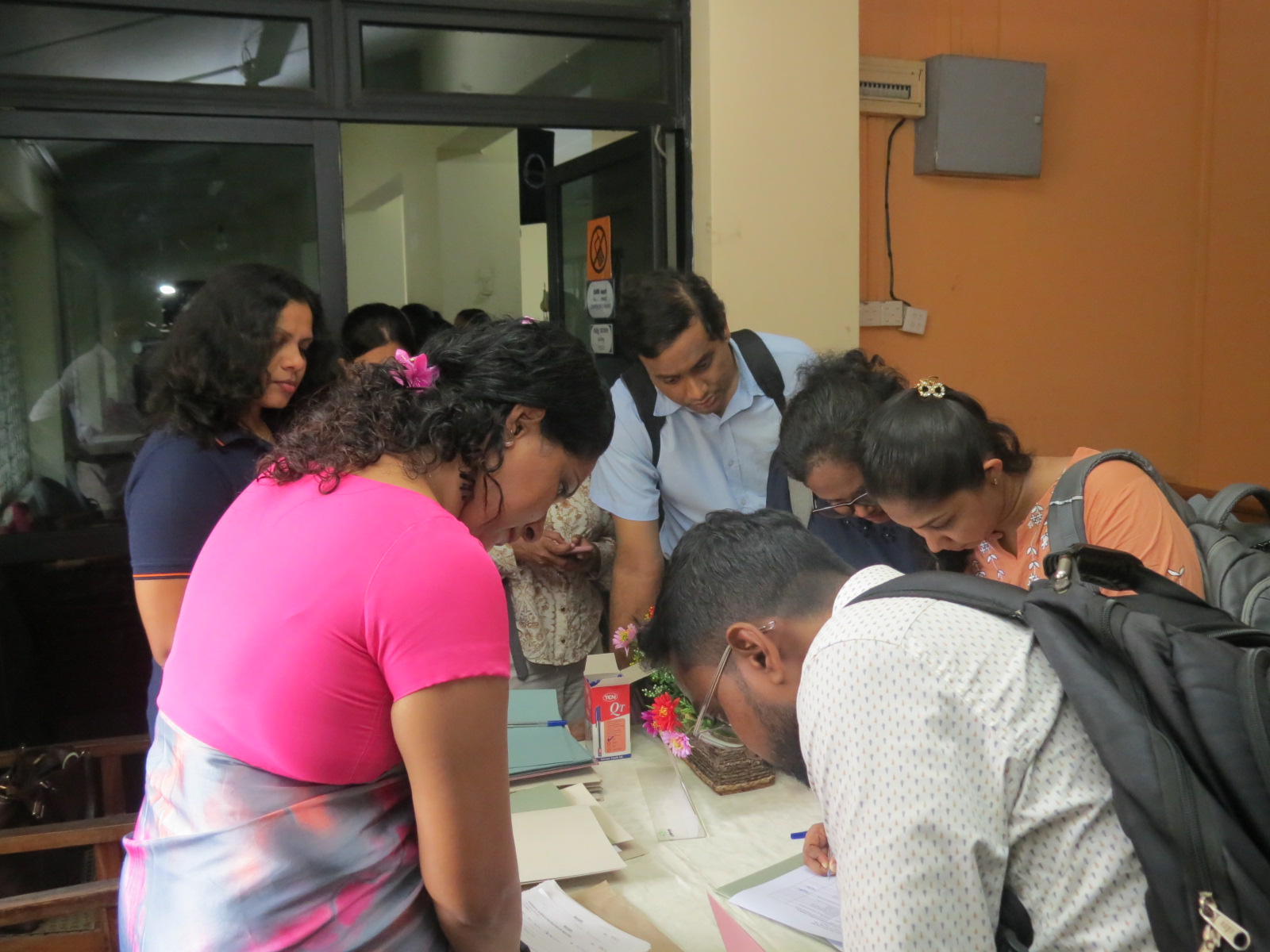
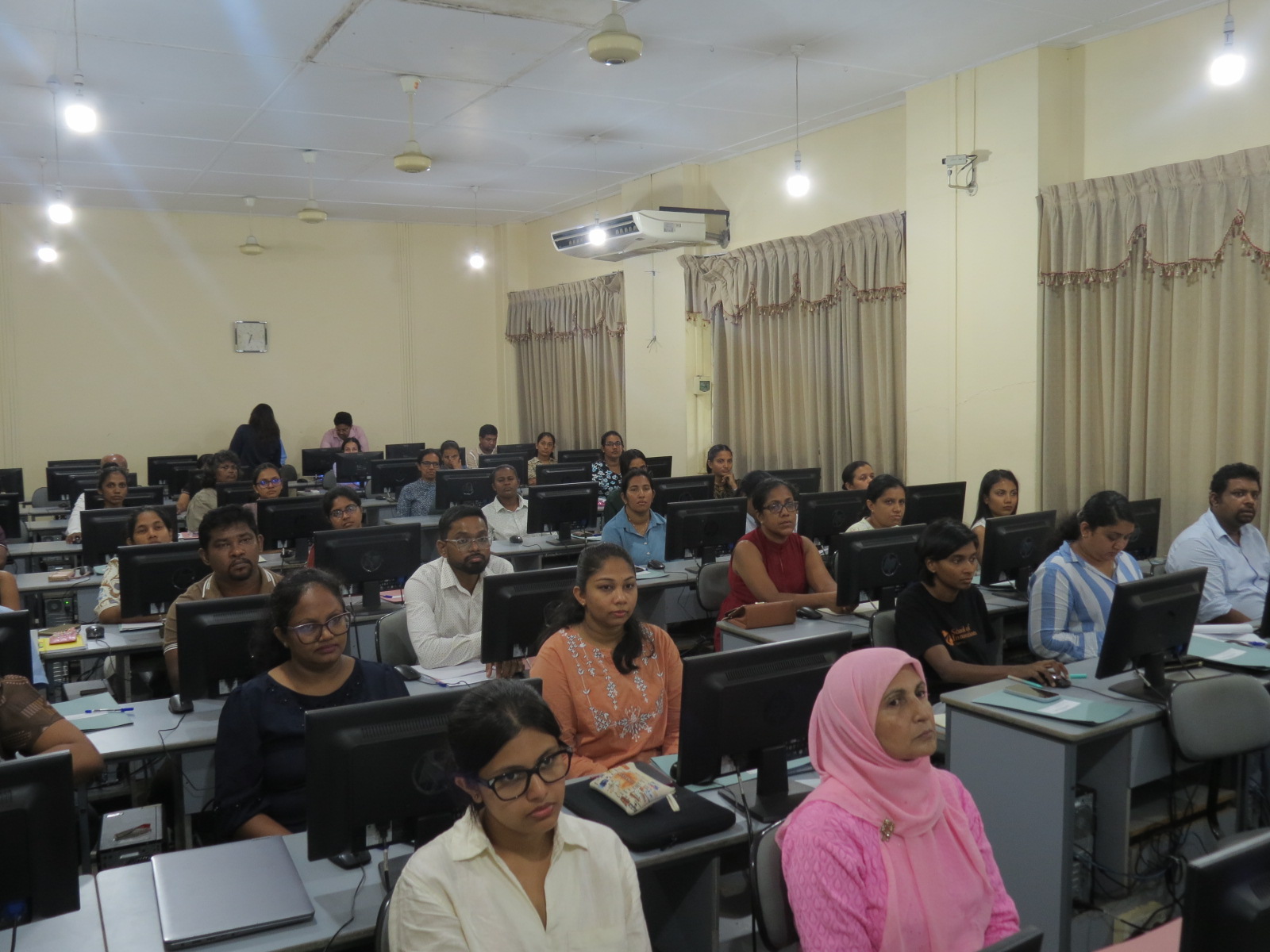
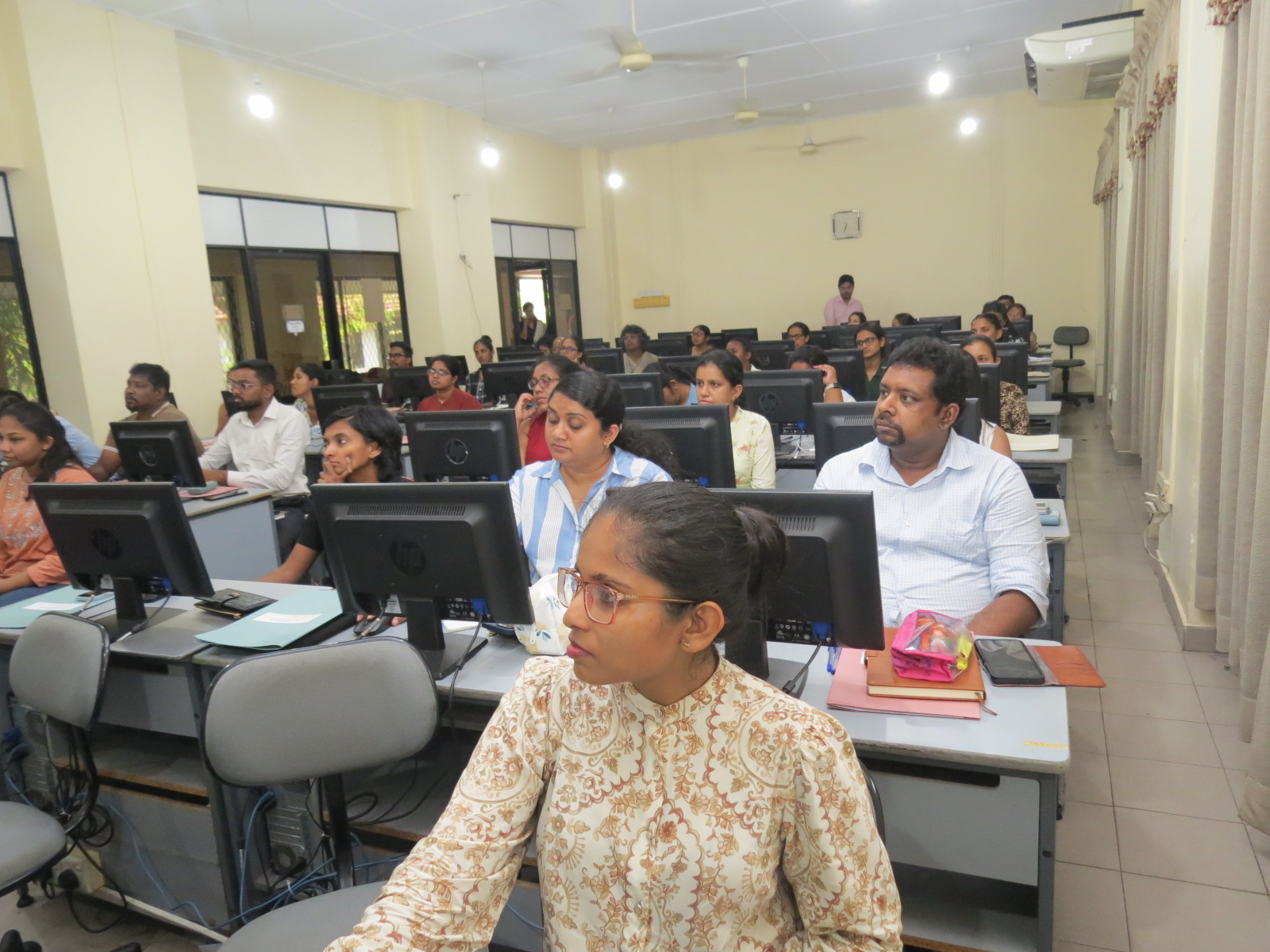
This Workshop was conducted on 27th April and 04th May 2026, as full-day sessions at the Information Technology Resource Development Authority (ITRDA), Colombo 10. The resource person for the Workshop was Mrs. Dileepa Endagamage, Senior Lecturer, Department of Decision Sciences, Faculty of Management Studies and Commerce, University of Sri Jayewardenepura. About fifty participants gained hands-on experience in data analysis using the SPSS software package and as such they benefited immensely from this Workshop. Therefore, by attending this Workshop the participants have gained knowledge by learning this package from this experienced resource person to full fill the above-mentioned objectives. This is revealed from the responses received from the attendees and they made very commendable comments. It is also important to note that the NSF is expected to conduct these types of training programmes for the researchers to enhance the said respective skills effectively and also for their continuous professional development.